Japanese Tutors Australia
Expert Japanese tutoring for the Australian school curriculum — Years 7 to 12, HSC and VCE Japanese — plus JLPT preparation for all levels N1–N5.
Why Japanese Tutoring Is in High Demand in Australia
Japanese has been taught in Australian schools for over 100 years and remains one of the most popular second languages studied at secondary level. Australia's close trade, tourism, and cultural ties with Japan make it a genuinely valuable language — and many students find that one-on-one tutoring makes a dramatic difference in the speed and confidence with which they progress.
The challenge with Japanese is its complexity: students must learn three writing systems (hiragana, katakana, and kanji), a completely different grammatical structure from English, and formal versus informal register. Classroom instruction, with 25 or more students, often can't provide the individualised feedback needed to master these elements.
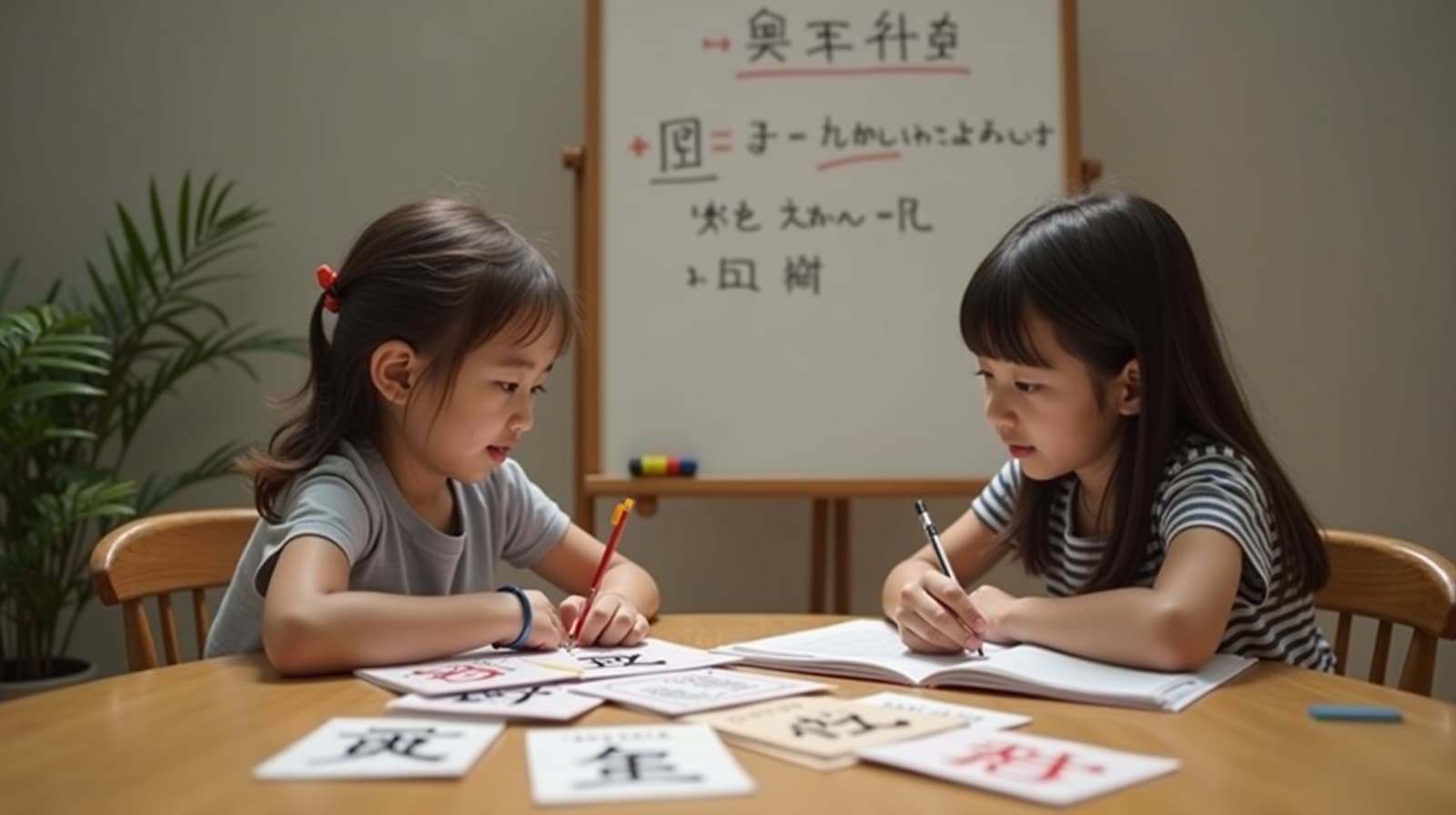
A private Japanese tutor can pace the learning to your child's specific needs — spending more time on the writing systems they find difficult, drilling conversation skills, or targeting the specific components of the HSC or VCE assessment. Whether your child is just starting Japanese in Year 7 or preparing for a senior exam, a qualified tutor can make a significant difference to their confidence and results.
Hiragana & Katakana Mastery
Targeted practice on the Japanese writing systems — from first strokes to fluent reading and writing at the required level.
School Curriculum Aligned
Tutors follow the Australian Curriculum for Japanese (F-10 and Year 7 Entry sequences) and state-specific study designs.
JLPT Preparation
Whether targeting N5 (beginner) or N1 (advanced), our tutors build the reading, listening, vocabulary, and grammar skills JLPT requires.
Conversation & Culture
Language fluency requires cultural context. Our tutors bring real cultural understanding to every session.
Australian School Japanese — What the Curriculum Covers
The Australian Curriculum: Languages — Japanese runs two main sequences: the Foundation to Year 10 Sequence (for students who began Japanese in primary school) and the Years 7 to 10 Year 7 Entry Sequence (for students starting in secondary school). Most Australian students follow the Year 7 Entry path.
Years 7–8: Students learn hiragana and katakana fully, begin reading and writing simple texts, and develop conversational skills around personal and school-life topics. They're introduced to basic kanji and learn fundamental grammar structures.
Years 9–10: Students consolidate their writing systems, expand kanji knowledge, and handle more complex grammar including verb conjugations and sentence patterns. Reading and writing tasks become more sophisticated, and cultural understanding deepens.
Years 11–12 (HSC/VCE/ATAR): Senior Japanese courses require students to demonstrate listening, reading, writing, and speaking proficiency. The HSC Japanese Continuers and Extension courses, and VCE Japanese, demand a high level of accuracy in both written and spoken language. Essay writing in Japanese, oral presentations, and listening comprehension all form part of the assessment. JLPT N3–N4 level is broadly equivalent to the senior curriculum outcomes.

JLPT Preparation — All Levels N5 to N1
The Japanese Language Proficiency Test (JLPT) is recognised worldwide as the standard measure of Japanese language ability. There are five levels: N5 (beginner), N4 (elementary), N3 (intermediate), N2 (upper-intermediate), and N1 (advanced). The test is held twice a year in Australia, in July and December.
Each level tests listening comprehension, vocabulary, grammar, and reading. Our Japanese tutors can help students prepare for any JLPT level — building the specific vocabulary sets required, practising listening comprehension with authentic materials, and working through past papers to develop exam technique.
Many Australian students sit JLPT alongside their school studies as a complementary, internationally recognised qualification. Unlike school marks, a JLPT certificate never expires and is recognised by universities and employers in Japan and across the world.
N5 — Beginner
Basic vocabulary, hiragana, katakana, and simple grammar. Approximately 150 hours of study from zero.
N4 — Elementary
Elementary grammar, approximately 300 kanji, everyday conversation. Approximately 300 hours of study.
N3 — Intermediate
Intermediate reading and listening, approximately 650 kanji. Approximately 450 hours of study.
N2 / N1 — Advanced
Advanced academic and professional Japanese. N2 required for most Japanese university programs; N1 for professional contexts.
Japanese Tutoring Rates
Primary / Junior (K–8)
$55–$75/hr
Per session
Secondary (Yrs 9–12)
$65–$85/hr
Per session
JLPT Specialist
$75–$95/hr
Per session
Japanese tutoring rates reflect the specialist nature of the subject. In-person and online options available across Australia. Our service is free for families.
“My daughter had been struggling with Japanese for two years. After three months with the tutor Top of the Class introduced us to, she went from a C to an A and is genuinely enjoying the language.”
James T.
Parent of Year 10 student, Chatswood
Find a Japanese Tutor in Australia
Browse credential-checked Japanese tutors or tell us your child's needs — we'll make the introduction within 24 hours. Free for families.
More Language Tutoring Options
Japanese Tutoring — Frequently Asked Questions
Reviewed by Sarah Davies · Founder & Director, Top of the Class
This page has been reviewed by Sarah Davies for accuracy and relevance to Australian families seeking private tutoring.
Sarah Davies founded Top of the Class in 2022 with a clear purpose: to remove the friction between Australian families who need tutoring support and the qualified tutors who can genuinely provide it. With experience in education management, Sarah built the matching process and tutor quality standards that underpin every introduction made through this service. She reviews all content published on this site to ensure it reflects current Australian curriculum requirements, accurate market pricing, and practical guidance that helps families make confident decisions about their child's education.

Ready to Find the Perfect Tutor for Your Child?
Browse our network or tell us what you need — we'll make the introduction within 24 hours. Always free for families.